Wayanad Tunnel Project: Unlocking New Route To Wayanad 2026
The Wayanad Tunnel project is officially known as the Anakkampoyil-Kalladi-Meppadi Tunnel Road. It is one of the most ambitious projects that connects Kozhikode and Wayanad to overcome the weather and the congested roads. Additionally, it prioritizes the safety of people and offers an alternative route through the landslide-prone Thamarassery Ghat Road (Churam). The new tunnel project aims to address the challenges of travelling to hill stations, which include steep Ghat roads and traffic congestion
Project Overview of Wayanad Tunnel Project
Location: Connects Anakkampoyil (Kozhikode) to Meppadi/Kalladi (Wayanad)
Type: Twin-tube road tunnel (2+2 lanes)
Length: ~8.73 km (one of the longest road tunnels in India)
Funding: Supported by KIIFB – Kerala Infrastructure Investment Fund Board.
Time Savings: Expected to reduce travel time by 45–60 minutes.
Key Features of the Project
Twin tunnels with four-lane road capacity.
Modern safety systems, including ventilation and emergency exits.
Reduced gradient for easier driving
Supporting infrastructure such as bridges and approach roads
These features aim to ensure not just faster travel, but also enhanced safety and comfort from
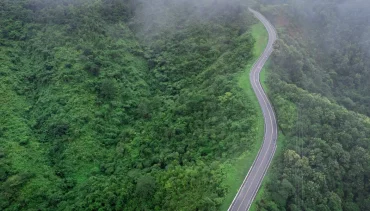
Sharp hairpin bends
Frequent traffic blocks
High accident risk
Landslide-prone areas during monsoons
Economic and Tourism Impact of Wayanad Tunnel Project
The Wayanad Tunnel Project is expected to bring a major boost to the region’s economy through tourism and easy connectivity. The tourism-driven destination, like Wayanad, can be easily accessed by travellers. So it will significantly elevate the potential.
Increase tourist inflow to Wayanad
Support local businesses and hospitality sectors
Enhance transportation of agricultural products
Create employment opportunities during and after construction
Its Impact on Tourism
The travel becomes faster and less stressful, which makes it easier for the tourist.
It will increase weekend short trips and weekend-friendly destinations.
Year-round tourism growth despite monsoon landslides and roadblocks.
Its impact on Homestays
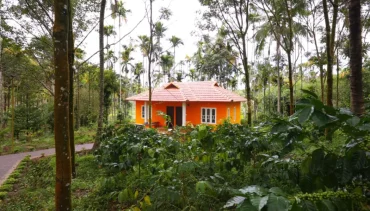
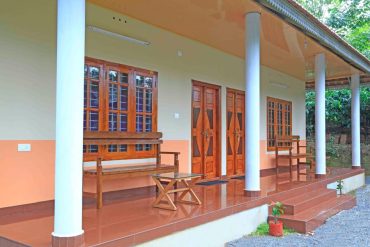
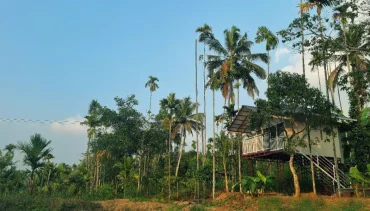
Increased demand for unique homestays
Growth of budget travellers & experiential tourism
Expansion of homestay businesses through upgradation
Better income for local communities
The tunnel acts as a bridge between accessibility and experience:
Accessibility → More visitors
More visitors → Higher demand for stays
Higher demand → Growth in homestays and tourism economy
Environmental Concerns
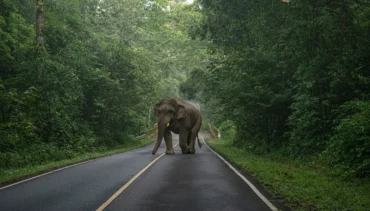
The Wayanad Tunnel Project, being developed through the Western Ghats—a UNESCO World Heritage site—raises significant environmental concerns due to its location in an ecologically sensitive region. This area is rich in biodiversity, supporting diverse wildlife and delicate ecosystems. At the same time, the project stands as both a prestigious infrastructure initiative and a crucial effort in conservation, aiming to strike a balance between development and environmental protection. Achieving this balance remains one of the project’s key challenges. To address these concerns, authorities have introduced strict conditions, such as:
Compensatory afforestation
Wildlife protection measures
Controlled construction practices
Why Wayanad Tunnel project important?
The Wayanad Tunnel Project will be a vital artery for the Malabar region when the project is completed. It stands as a symbol of modern engineering that tries to balance the urgent need for infrastructure with the preservation of it. It is one of the world’s most delicate ecosystems.
It boosts tourism, which makes it easy access to Wayanad’s hill stations for travellers.
Also improve the logistics field, movement of goods between Kerala and Karnataka.
It provides a reliable route for medical emergencies.
It ensures more stable year-round connectivity.
Growth of the homestay and hospitality sector.
Also develop employment opportunities.
It reduces the traffic congestion on the Ghat road.
Conclusion
The Wayanad Tunnel Project is more than just a road development; it is a major step for Kerala’s infrastructure development. It provides a safer travel experience for the Wayanad travellers. The project will attract a large number of tourists throughout the year. It has the potential to transform travel and boost the region’s economy. But it will purely depend on the careful balance between progress and environmental sustainability. It will naturally elevate the demand for homestays, offering travellers more opportunities to enjoy authentic, local experiences in the heart of nature.
The tunnel will help the travellers to enjoy a stress-free travel and make spontaneous getaways. It brings promising growth, higher occupancy, and greater visibility on the tourism map. If it is developed responsibly, the tunnel project can